- Seasonal wind patterns greatly affect dive routes.
- Wave height influences safety and accessibility.
- Peak diving months offer the best conditions.
When planning a liveaboard dive trip in Raja Ampat, departing from Sorong, understanding the regional wave and wind conditions is crucial. These factors not only dictate the safety and comfort of your cruise but also determine the accessibility of various dive sites. In this blog post, we will explore the wave and wind conditions affecting Sorong liveaboard routes, specifically focusing on the Dampier Strait and Misool routes.
Geographical Context of Sorong and Raja Ampat
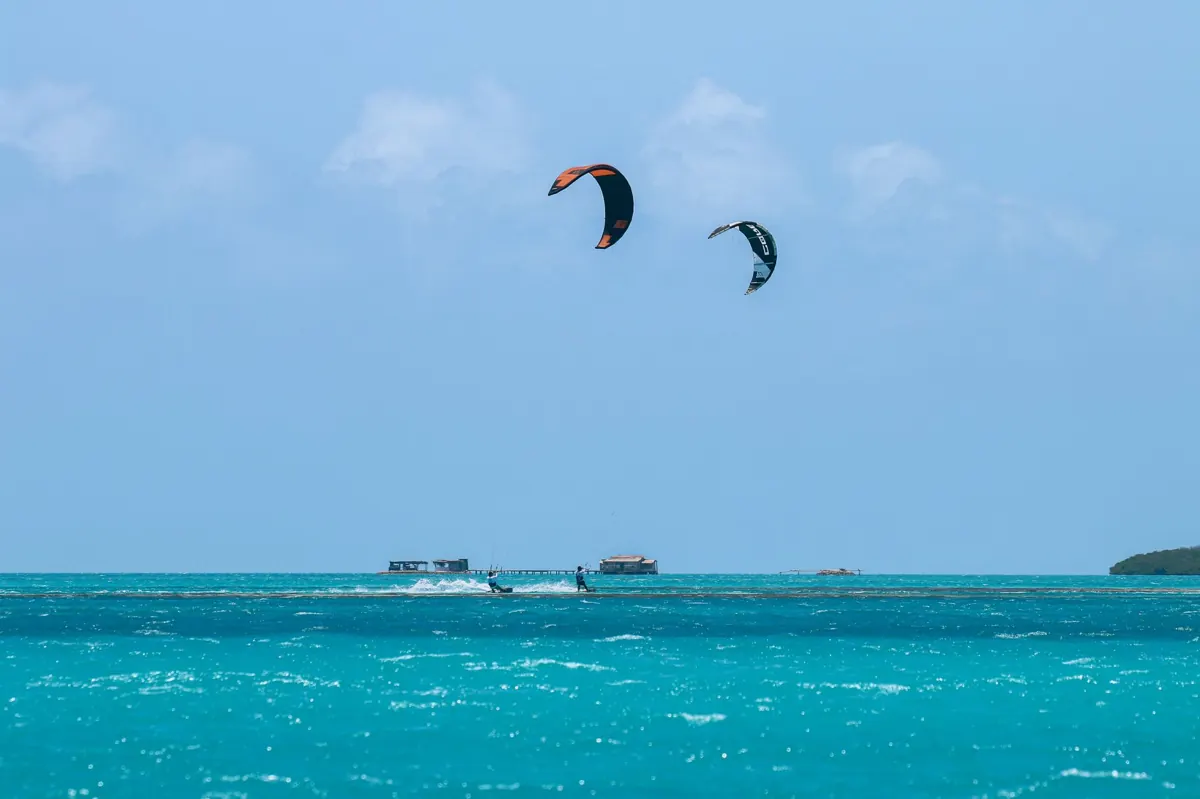
Sorong is located in West Papua, Indonesia, serving as the primary gateway to the Raja Ampat archipelago. This region is celebrated for its rich marine biodiversity, making it a prime destination for divers. The Dampier Strait and Misool routes cover some of the most sought-after dive sites, including spots like Cape Kri, Blue Magic, and the iconic Misool Lagoon.
Understanding Wind Patterns
The wind patterns in Raja Ampat are influenced by the monsoonal climate typical of Indonesia. The two main seasons—dry and wet—play a significant role in shaping these patterns.
Dry Season (October to April)
The dry season in Raja Ampat lasts from October to April. During this time, the prevailing winds generally come from the southeast. The wind speeds are typically lower, averaging between 5 to 10 knots. This makes for calmer sea conditions, which are ideal for liveaboard diving. The reduced wave heights during this period enhance safety and comfort for divers, allowing for smooth transit to various dive sites.
Wet Season (May to September)
The wet season runs from May to September, characterized by stronger winds, especially from the southwest. Wind speeds can reach 15 to 20 knots or higher, leading to increased wave heights and choppy seas. This can affect the accessibility of certain dive sites, particularly those situated in more exposed areas. Although diving is still possible, divers should prepare for potentially rougher conditions and consult their liveaboard operators about the best routes and sites.
Wave Heights and Safety Considerations
Wave heights in Raja Ampat can vary significantly based on wind conditions, season, and geographic features. Understanding these variations is essential for divers’ safety and comfort.
Calm Seas in the Dry Season
During the dry season, wave heights typically range from 0.5 to 1 meter. This makes for excellent diving conditions, allowing easy access to remote dive sites. The calmer seas also promote better visibility underwater, enhancing the diving experience.
Choppy Conditions in the Wet Season
In contrast, the wet season can see wave heights increase to 1.5 meters or more, particularly during storms or rough weather. Liveaboard operators may reroute or adjust dive schedules to prioritize safety. Divers should be aware that certain sites may become less accessible during these months, affecting the overall itinerary.
Best Months for Sorong Liveaboard Diving
For optimal diving conditions, the best months to begin a Sorong liveaboard are typically from October to April. This period aligns with the dry season, offering more stable weather, lower wind speeds, and calmer seas. Specific months like October, November, and March are particularly favorable, as they often experience the least variability in weather conditions.
Impact of Local Weather Systems
In addition to seasonal patterns, local weather systems can also impact wave and wind conditions. Sudden squalls or storms, though rare, can arise and lead to quick changes in sea conditions. Liveaboard operators are experienced in monitoring weather patterns and will adjust itineraries accordingly to ensure the safety of their passengers.
Monitoring Conditions
It’s advisable for divers to keep an eye on local weather forecasts leading up to their trip. Websites and apps that provide real-time wind and wave reports can be useful tools for planning your diving adventure. Understanding the forecast can help divers pack appropriately and mentally prepare for the conditions they may encounter.
Liveaboard Pricing and Cabins
Liveaboard prices for trips departing from Sorong vary depending on the length of the trip, the type of accommodation, and the amenities offered. Prices typically range from USD 1,200 to USD 3,500 for a week-long trip, with options for shared cabins or private accommodations. Most liveaboard packages include meals, diving equipment, and guided dive programs.
Accommodations
Liveaboard vessels typically offer various cabin types, from budget shared spaces to luxury private suites. Cabins are equipped with basic amenities, including air conditioning, en-suite bathrooms, and storage space for diving gear. When booking, consider the type of experience you want, as this will influence your choice of cabin and overall cost.
Booking Your Sorong Liveaboard
Before booking your Sorong liveaboard, it’s essential to research different operators and their itineraries. Look for options that align with your diving experience and preferences. Most operators will provide detailed information about their routes, dive programs, and safety measures. You can view various packages available for your selected travel dates and preferences.
Choosing the Best Time for Sorong Liveaboard Adventures
Divers heading to Sorong for a liveaboard experience should pay close attention to wave and wind conditions, as they play a crucial role in route planning. The right timing can make all the difference in your diving adventures. Consider the seasonal weather patterns and keep an eye on local forecasts to ensure you get the most out of your trip. For specific planning needs, explore Sorong Liveaboard or check availability.